Abu Dhabi after sunset is a different city from the one seen at noon — not because landmarks move, but because light transforms them. Towers that appeared flat and bleached in midday sun become layered compositions of illuminated facade, reflected Gulf water, and the warm amber of street-level promenade lamps. The evening skyline bus loop captures this transition from a moving upper deck, and for many riders the return leg after dusk is the single most memorable segment of any full-day circuit.
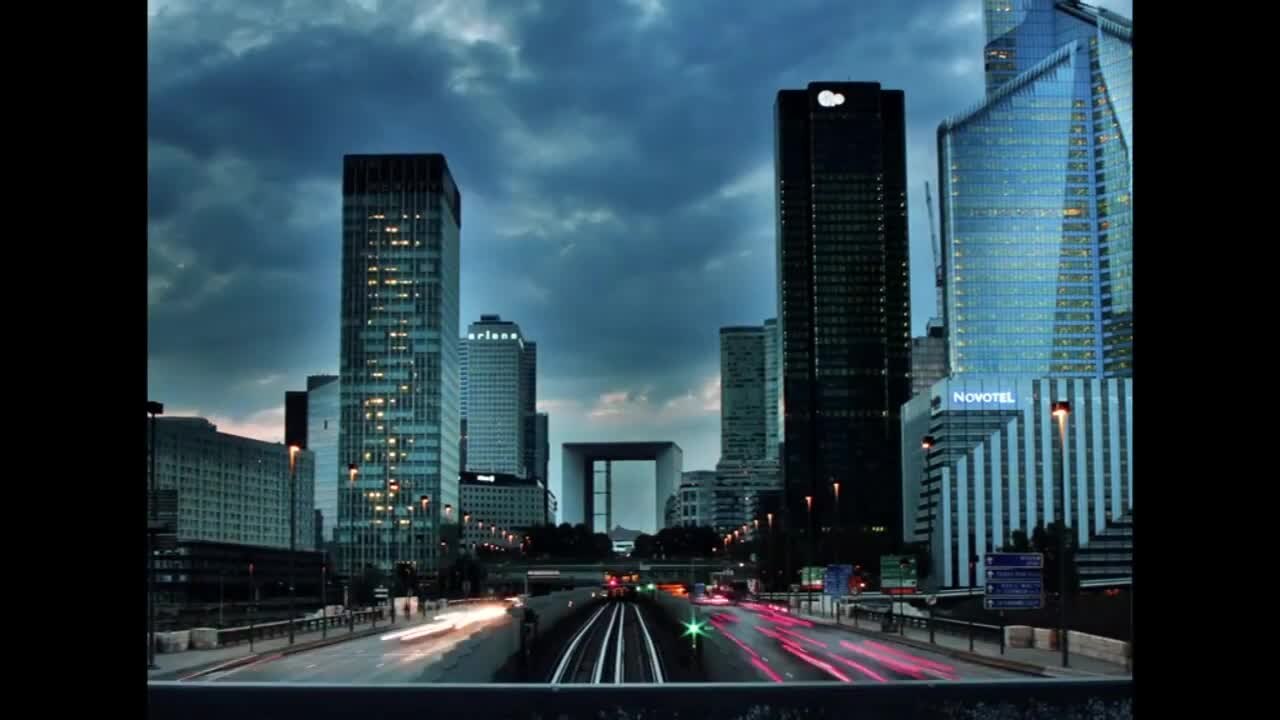
Why evening circuits exist
Most operators extend service past sunset during winter months, when temperatures make open-top riding comfortable well into the evening. Summer schedules may truncate earlier, but late departures still run on weekends when demand peaks. The evening loop is not always a separate route — often it is simply the standard circuit boarded after five o'clock, when the sun has dropped below the horizon and the city's lighting infrastructure begins its nightly programme.
The practical appeal is thermal as much as aesthetic. An upper deck that was unbearable at two in the afternoon becomes pleasant at seven. Breeze off the Gulf strengthens after dark, and the corniche promenade fills with walkers, joggers, and families who avoided midday heat. The bus moves through a city that has come outdoors to breathe.
The lighting sequence
Abu Dhabi's tower lighting is not simultaneous. Buildings illuminate in staggered intervals — some at civil dusk, others thirty or forty minutes later. From a bus travelling the corniche at steady speed, this creates a rolling reveal: each new lit facade adds a vertical accent to the horizon, and calm water duplicates the effect in reflection. Photographers on evening loops should use higher ISO settings and brace against seat frames; the bus does not halt for long-exposure shots.
The Grand Mosque, when visible on evening route variants, carries its own lighting programme — white marble washed with warm floods that make the domes appear to float. Mosque segments after dark are less common than corniche runs, but when they occur they produce among the most striking images on any Abu Dhabi bus itinerary.
Corniche at night from the bus
The corniche evening segment is the loop's centrepiece. Promenade lamps cast pools of warm light along the path; tower reflections stretch across the Gulf when wind is low; and the social energy of evening walkers provides a human scale that daytime bus runs often lack. Seat choice matters less at night — the water side and the city side both offer strong views — but the right-hand corniche outbound position still favours direct reflection photography when the water is calm.
- Emirates Palace lighting — visible through palm gaps; golden facade floods activate after full dark.
- Downtown cluster — the densest concentration of lit towers; best viewed on the return leg facing west.
- Marina districts — yacht harbour lights add low horizontal accents below vertical tower lines.
- Bridge crossings — island connectors carry their own linear lighting; brief but photogenic.
Upper deck versus enclosed seating at night
Winter evening upper-deck riding is genuinely pleasant — cool air, open sightlines, and the ambient sound of the city below. Enclosed lower seating suits riders who prefer wind protection or who are travelling with young children past bedtime. Audio narration on evening runs is often muted by riders who prefer the visual experience; operators sometimes reduce volume automatically after dark.
Safety lighting on open-top decks — dim aisle markers and step edges — is adequate but not generous. Bring a phone light for stair transitions if you move between levels at night stops. The bus itself is well-lit; the challenge is the gap between street-level darkness and the illuminated interior.
Board the last full loop departure that reaches the corniche segment after civil dusk — roughly thirty minutes after sunset. Earlier departures catch the transition; later ones see fully illuminated facades. Both have merit; the transition is subtler, the full dark more dramatic.
Pairing evening loops with daytime hops
Some travelers ride the morning loop for landmark stops — mosque, heritage, Saadiyat preview — and reboard specifically for the evening corniche return without repeating inland segments. This two-board pattern works when operator passes allow same-day re-entry; confirm policy at boarding. Others dedicate a single evening entirely to the skyline loop, boarding near the corniche and riding the coastal arc without inland detours.
The evening skyline bus loop does not replace a corniche walk — the promenade at night rewards slow feet and bench pauses that a bus cannot offer. But as a panoramic introduction to how Abu Dhabi presents itself after dark, the moving upper deck delivers a coherence that no single viewpoint can match. Ride it once for the full horizon, then return on foot to the stretch of waterfront that held your eye from the window.